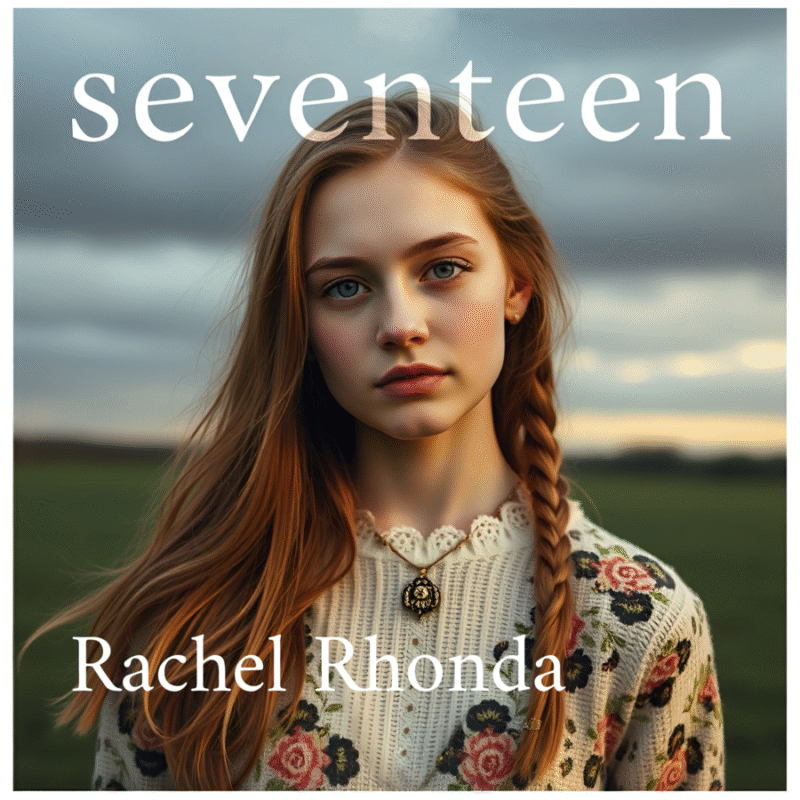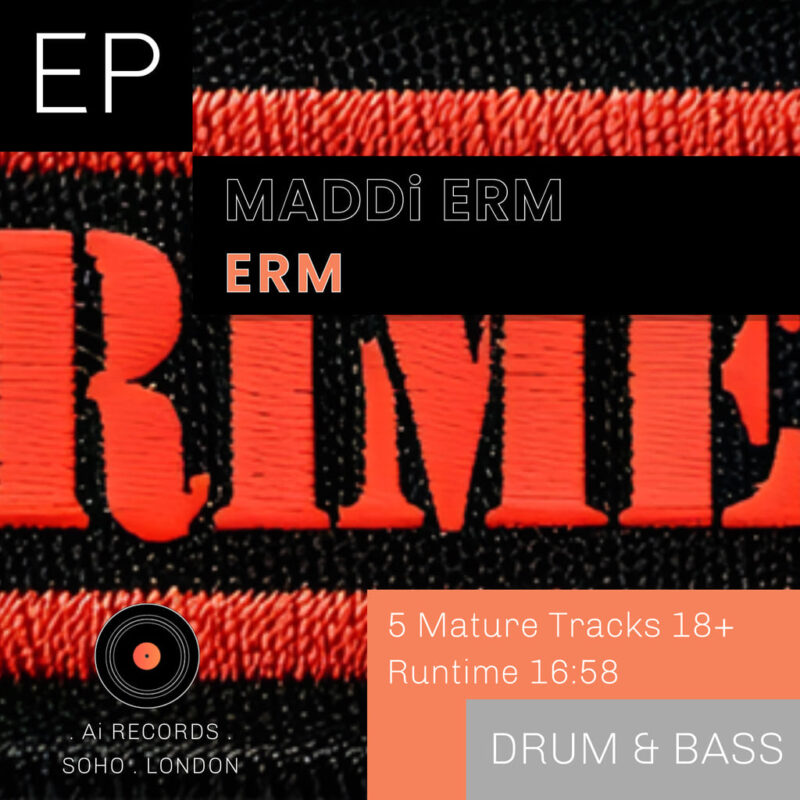

DiVERTiMENTO . THE PARK @ SPOTIFY
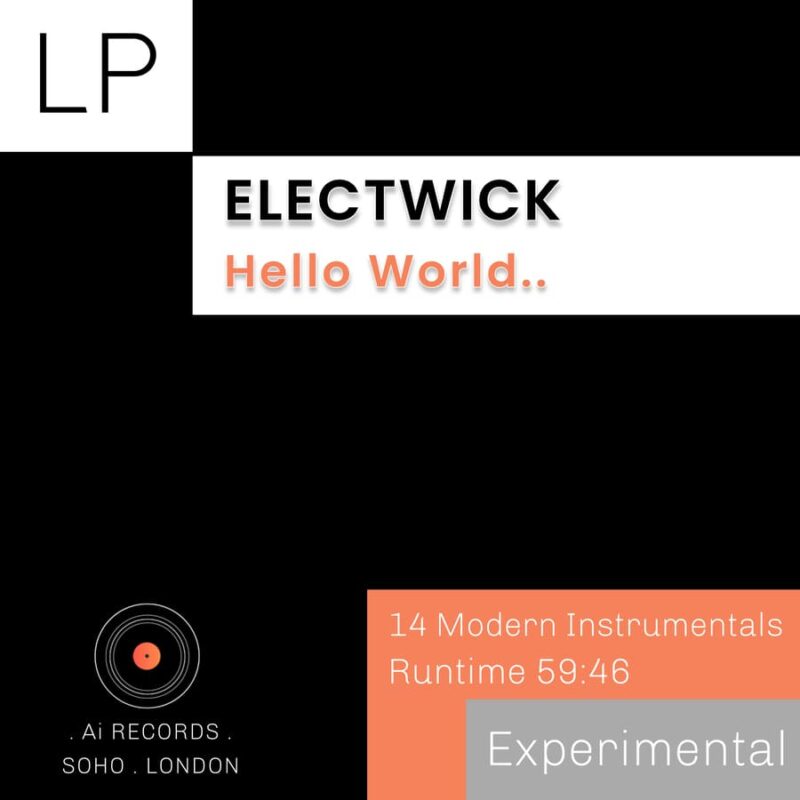
ELECTWICK . HELLO WORLD @ SPOTIFY
There is a huge flaw in how the internet talks about SLOP in the context of “AI music.”
When most people hear the term, they picture automated bot farms churning out thousands of low-quality, one-click tracks to spam streaming platforms and siphon royalties.
But there is another side to the story.
What about the genuine, original human musicians using advanced AI tools to break creative boundaries, isolate stems, or experiment with complex sound synthesis?
Grouping everything under a single, scary “AI Generated” warning tag doesn’t just miss the point—it actively punishes human creativity.
Here is why the music industry needs to ditch the blanket labels and embrace nuance.
The Two Halves of “AI Music”
To fix the labeling problem, we have to separate the tool from the machine:
The Spam (AI-Generated): 100% computer-generated audio created from a text prompt. It requires zero human musicality, fills no artistic purpose, and is often used to flood playlists for passive income.
The Art (AI-Assisted): Original compositions written, played, and arranged by humans, who then use AI for specific tasks. This includes cleaning up archival audio, generating unique synth textures, or mastering tracks.
When platforms apply the exact same “AI Content” warning to both, a dedicated indie artist gets lumped into the exact same category as automated digital clutter. It hurts their credibility and scares off listeners who value human authenticity.
Moving Toward a Smarter System
Thankfully, the industry is starting to wake up. Major music coalitions and streaming platforms are moving toward a tiered approach to protect real creators:
AI-Generated vs. AI-Assisted: The push for a clear distinction between tracks made by machines and tracks made with machines.
Credits Over Labels: Treating AI tools like the synthesisers of the past—listing them transparently in the track credits and metadata rather than slapping a warning sticker on the album art.
Targeting Fraud, Not Art: Platforms like Spotify and Apple Music are focusing their filters on blocking automated upload bots and streaming fraud, rather than penalising independent artists who use AI ethically.
Technology has always pushed music forward—from electric guitars to synthesisers and Auto-Tune. AI is no different. Labelling should be a tool for transparency, not a weapon that suffocates genuine human innovation.
Mark Sedgwick
Ai MUSIC, AI_Music_Collaboration, ALBUMS, Bespoke Music for Hotel Rooms, COMMISSIONS, Custom Music Production for Hotels, Events, Hotel Music, Hotel Playlists, Mental Health, Music Production, PLAYLISTS, PROVEN TO IMPROVE MENTAL HEALTH, RACHEL RHONDA, TOGETHER . RACHEL & ROSS RHONDA, TRACKS
His Mother Doesn’t Like Me – Rachel Rhonda
Sometimes, winning someone’s heart is only part of the journey.
His Mother Doesn’t Like Me is a heartfelt song from Rachel Rhonda that explores the emotions of feeling accepted—or not accepted—by the family of the person you love.
Honest, relatable, and full of warmth, it shines a light on a situation many people have experienced, where love and family expectations don’t always see eye to eye.
With an authentic vocal performance and a touching story, Rachel captures the vulnerability, hope, and resilience that come with staying true to your relationship despite the challenges.
Ai MUSIC, AI_Music_Collaboration, ALBUMS, PROVEN TO IMPROVE MENTAL HEALTH, RACHEL RHONDA, TOGETHER . RACHEL & ROSS RHONDA, TRACKS
What happens when love meets family disapproval?
Her Daddy Doesn’t Like Me is a heartfelt take on one of the oldest relationship challenges—winning over the people who matter most. Honest, relatable, and full of emotion, the song captures the determination to stand by the person you love, even when the road isn’t easy.
Take a listen below and let us know if you’ve ever found yourself in a similar situation.

REVIEW: “IT’S OKAY NOT TO BE OKAY” — TBB (That BOY BAND)
There’s something quietly unusual about this record once you know where it came from.
This wasn’t written as a campaign or a statement piece. The boys in TBB (That BOY BAND) got together, talked honestly, wrote from their own experiences and turned those conversations into a song. The interesting part isn’t just the finished track — it’s that the process itself reportedly left them feeling better than when they started.
You can hear that in the writing.
Nothing feels overly polished or performed. The lyrics read more like things people actually say to each other when they stop pretending everything’s fine. From ignoring messages and staying in the same clothes for days to a mate checking in at the right moment, the song stays rooted in ordinary experiences rather than dramatic storytelling.
The record’s biggest strength is that it doesn’t position mental health as a solitary experience. Again and again, it comes back to other people — a friend reaching out, conversations that become easier to have, support becoming normal rather than exceptional.
IT’S OKAY NOT TO BE OKAY, lands because the verses earn it. It doesn’t arrive as a slogan. It arrives after moments that feel recognisable and lived in.
Knowing the context changes the listening experience further. If the act of writing together genuinely improved how the members felt, then the song becomes more than a release — it becomes a snapshot of people using creativity to understand themselves and each other.
That comes through.
Rather than trying to sound profound, TBB keep things direct, contemporary and human.
And that may explain why the song connects.
It doesn’t ask listeners to admire resilience.
It invites them into the room.
Rating: ★★★★☆½ (4.8 / 5)
– PROVEN TO IMPROVE MENTAL HEALTH

I’M ENOUGH . TGG.
There’s something quietly powerful about this track from TGG.
It’s real strength lies in the emotional journey it creates. Rather than simply telling a story of moving from a poor state of mind to a better one, the music itself becomes part of that transformation. It feels almost like musical therapy, gently guiding the listener from uncertainty and self-doubt towards acceptance, hope, and confidence.
The system often encourages people to think smaller of themselves, but this track pushes in the opposite direction. It doesn’t demand attention or force its message; instead, it patiently builds you up, allowing the emotion to unfold naturally. If music were food, this isn’t fast food—it’s a three-course meal, with every section adding meaning and depth.
What makes it so effective is its honesty. The writing feels sincere and unforced, while the gentle vocal delivery gives every lyric room to breathe. Nothing is exaggerated, and that restraint makes the message even more powerful.
Musically, the intimate arrangement keeps the focus exactly where it belongs: on the emotional progression. Every element serves the song’s purpose, creating an atmosphere that feels warm, comforting, and genuinely uplifting.
It’s honest Music that’s known to improve Mental Health